


Backgammon Club
GameClubUSA.com
I enjoy backgammon most when a game is easy to start but still gives me enough room to think. Backgammon Club takes that straightforward approach on Android phones and tablets, offering online matches and tournaments in a free board-game package from GameClubUSA.com. After spending time with it, I see it as a practical choice for players who want a familiar backgammon experience without committing to a larger collection of unrelated games.
The important question is not simply whether you like backgammon. It is what you want from a mobile version of it. If your priority is playing against other people, entering tournament-style sessions, and keeping the game available without an upfront purchase, this title has a clear appeal. If you want a polished teaching system, a highly modern presentation, or a broad selection of board games in one app, you may find other options more suitable.
What to consider before choosing it
I would begin with the type of opponent you want. Backgammon Club is built around online play, so it makes more sense for someone who enjoys the uncertainty of facing another person than for a player who mainly wants a quiet offline pastime. The online focus also changes the rhythm of the game: you need to be comfortable waiting for another player, adapting to different playing styles, and treating each match as a mixture of probability and decision-making.
The second decision is how much structure you expect. The app includes games and tournaments, which gives the experience more purpose than simply opening a board and rolling dice. Tournaments can make short sessions feel connected to a larger challenge, while ordinary matches are easier when you only have a few minutes. I like having both possibilities because backgammon works well in two very different moods: a quick break and a more focused contest.
Device compatibility is another practical point. The game requires Android 7.0 or later, so it is aimed at a wide range of Android devices rather than only recent phones. That helps if you keep an older tablet for casual games. At the same time, anyone using an older Android release should check compatibility before planning around it, especially if the device is no longer receiving system updates.
Related News






The game is free to install, but optional purchases range from $2.99 to $17.99 for an item. That does not automatically make the experience unsuitable, but it is worth remembering when comparing it with a completely paid game or a simple offline board app. I would approach the free download as a chance to test the playing experience first, then decide whether the available extras are useful to my own habits.
The audience label is Teen, which is a reminder that this is not presented as a children’s toy. For most adults and older teenagers who already understand the rules, that should not be a barrier. New players should also consider whether they need explanations of the basics, because a game designed around online matches may feel less welcoming than a dedicated learning app.
Why the online format matters
Backgammon is easy to understand at a basic level, but online play exposes the difference between knowing the rules and making good choices. You must evaluate the board after every roll, decide when to take a risk, and recognize when a safe move is better than an ambitious one. A mobile version that places you against people can therefore stay interesting longer than a predictable computer opponent.
Gallery
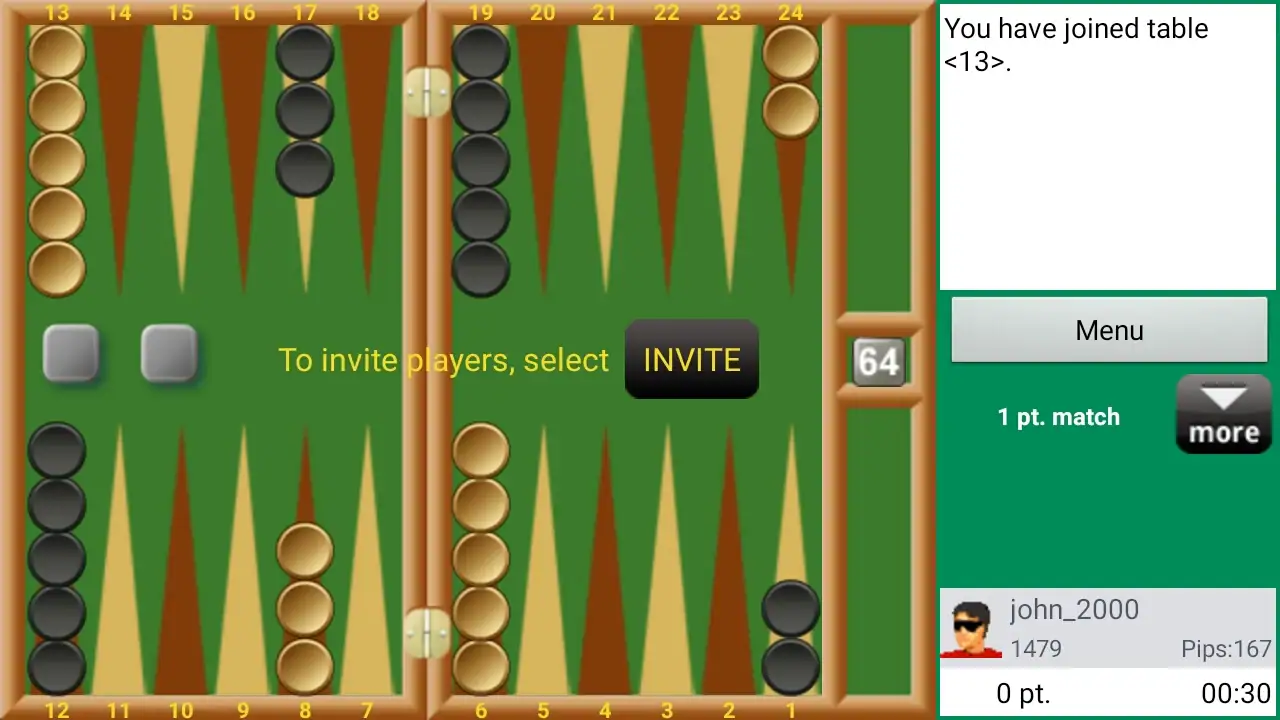
There is also a social trade-off. Human opponents create variety, but they can make the experience less consistent. One match may be quick and focused, while another may feel slower or less satisfying. I would choose this format when I want competition rather than complete control over the pace.
Where Backgammon Club feels strongest
The biggest strength is focus. Instead of burying backgammon inside a large arcade collection, the app gives the board game its own space. That makes it easy to return to the exact activity I wanted. The store short description calls it Backgammon Club, and that name fits the overall idea: this is meant to feel like a place for backgammon matches rather than a one-off demonstration.
The combination of online games and tournaments is especially useful for players who lose interest in isolated rounds. A normal match can satisfy a spare moment, but a tournament gives me a reason to think beyond the next roll. I would use ordinary games for practice and warm-up, then enter a tournament when I have enough time to concentrate and accept a less predictable outcome.
Another advantage is its suitability for both phones and tablets. On a phone, backgammon works well during a short pause because the board does not require the same continuous attention as a fast action game. On a tablet, the larger screen can make the pieces and board easier to follow. I would personally choose the tablet for longer sessions and the phone for quick turns, especially when I am already familiar with the interface.
The free entry point also makes the decision less complicated. Someone curious about online backgammon does not have to buy a full game before finding out whether the community-based format suits them. The average rating is 3.3 from around 2.1 thousand ratings, with about 150 written reviews, so the public response appears mixed rather than universally enthusiastic. I read that as a reason to test the app personally instead of assuming that either praise or criticism tells the whole story.
Its reach is also meaningful. The game has passed 100 thousand installs, which suggests that it has found a real audience beyond a tiny group of enthusiasts. That does not guarantee that every session will be equally active, but it makes the app feel like an established option in its narrow category rather than an obscure experiment.
Small habits that improve the experience
I would avoid entering a tournament immediately after installing the game. First, I would play several regular matches to become comfortable with the board arrangement, controls, and turn flow. This is a simple step, but it prevents the first competitive session from becoming an interface-learning exercise instead of a backgammon decision.
I would also use short sessions to observe my own mistakes. Rather than judging a match only by whether I won, I would remember the turning point: perhaps I opened a vulnerable position, left a blot exposed, or chose an aggressive move when protecting a lead made more sense. Online backgammon becomes more rewarding when each game supplies a small lesson.
A third useful habit is to separate luck from decision quality. Dice can make a strong move look foolish and a questionable move look brilliant. If I evaluate every turn only by its immediate result, I will learn the wrong lesson. I prefer to ask whether the move improved my position given the information available at that moment. That approach is particularly valuable in tournaments, where pressure can encourage impulsive play.
Finally, I would treat purchases cautiously. Because the game is free and includes optional items, I would play long enough to understand what I actually use before spending anything. A player who only wants occasional matches may never need an extra purchase, while a committed tournament player may view some paid content differently. The right choice depends on playing frequency, not on the presence of a price range alone.
Everyday use: a realistic session
Imagine having fifteen minutes before an appointment. A fast action game may be a poor fit because stopping halfway through can be frustrating. Backgammon is more manageable: I can start a match, focus on a few decisions, and leave with the feeling that I used the break well. If the opponent’s pace is slower than expected, the same situation becomes less convenient, which is why I would not rely on an online match when I need a guaranteed finish.
At home, the use case changes. On a tablet, I could settle in for a longer tournament session and pay attention to patterns in my play. The game becomes less about filling time and more about improving judgment. That distinction is important: this is not just a dice-rolling distraction for me. Its value increases when I approach each board position deliberately.
Where another type of app may fit better
Backgammon Club is not the obvious choice for everyone. If your main goal is learning from the beginning, a teaching-focused alternative may be better because lessons, explanations, and guided exercises can make the rules easier to absorb. I would recommend that route to someone who does not yet understand concepts such as bearing off, blocking, or managing exposed pieces.
An offline backgammon game may also be a better match for travel, unreliable connections, or completely private practice. Playing against a computer gives you more control over the pace and lets you repeat situations without depending on another person. The trade-off is that human opponents usually provide more variety and less predictability.
Players who want many board games in one download should look elsewhere as well. A broad board-game collection can offer chess, checkers, card games, and other formats alongside backgammon. That is convenient for households with different tastes, whereas this app is more focused. I would choose the collection for variety and this game for a more direct backgammon routine.
There is also a difference between a focused online game and a premium, ad-free-style purchase model, although the exact experience depends on the alternative. Some players prefer paying once and avoiding optional spending decisions. Others prefer trying a free title first. Since this game can be installed without an upfront price, it is easier to explore, but users who dislike in-app purchases should check the purchase prompts carefully and decide on a personal limit before playing regularly.
What switching really involves
Moving from a physical board to this app is convenient, but it changes the feel of the game. You no longer need to set up pieces, find an opponent in the same room, or keep track of the board yourself. That makes the game more portable and less dependent on another person being available nearby. The cost is that the social atmosphere of a face-to-face match is not the same on a screen.
Switching from an offline digital game has a different cost. You gain access to online competition and tournaments, but you give up some control over timing. If you regularly play during commutes, waiting rooms, or short breaks, that trade-off deserves attention. I would keep an offline option available for situations where I cannot tolerate an uncertain match length.
Switching from another online backgammon app may be easier because the basic board-game knowledge transfers directly. The adjustment is more about learning where this app places its match and tournament options, then deciding whether its pace and community suit you. I would not switch solely because it is free; I would switch if the focused format fits the way I actually play.
The current version is 2.2.3, and the game was released on September 23, 2016. Those details place it in the category of a long-running title rather than a brand-new launch. For me, that makes the app worth judging by its practical stability and current fit, not by novelty. A mature game can be appealing when I want a known format, though players seeking the newest visual style may prefer a more recently designed alternative.
Who should install it
I would recommend Backgammon Club to an Android user who already likes backgammon, wants online opponents, and appreciates having tournaments available without paying before trying the game. It is also a sensible choice for someone who wants a dedicated backgammon app rather than a large board-game bundle.
I would be more cautious about recommending it to a complete beginner, a player who needs offline access, or someone who expects extensive instruction. I would also point serious competitive players toward comparing several online options before settling in, because small differences in pace, presentation, and tournament flow can matter when the app becomes part of a daily routine.
My practical recommendation is to install it, play regular matches first, and use that period to decide whether the online rhythm feels comfortable. Do not judge it from one lucky win or one frustrating loss. Pay attention to how clearly you can follow the board, whether the match length fits your schedule, and whether tournaments add motivation rather than pressure.
In the end, Backgammon Club succeeds by keeping its attention on one classic board game and giving it an online, tournament-oriented setting. It is not my first pick for guided learning or fully controlled offline play, but it is a reasonable free starting point for Android players who want human competition. If your ideal backgammon session is a focused match against another player, with tournaments available when you want a bigger challenge, this is worth trying before choosing a paid alternative.
FAQs for Backgammon Club
What is Backgammon Club, and how does the game work?
Backgammon Club is a digital version of the classic backgammon board game for mobile devices. Players move their checkers around the board according to dice rolls, trying to bear off all pieces before their opponent. The app is designed for both casual matches and competitive play, making it suitable for newcomers as well as experienced backgammon players.
Can I play Backgammon Club against other people online?
Yes, Backgammon Club is primarily intended for multiplayer matches, allowing you to compete against other players online. Depending on the available game modes, you may be matched with opponents of similar ability or challenge friends directly. A stable internet connection is recommended, especially during live matches, because interruptions can affect the game experience and may count as a forfeit.
Is Backgammon Club suitable for beginners?
Backgammon Club can be a good choice for beginners because the basic rules are easy to understand and matches usually progress at a manageable pace. However, new players should spend time learning important concepts such as hitting, blocking, entering checkers from the bar, and deciding when to use the doubling cube. The app is also useful for practicing strategy through repeated games.
Does Backgammon Club include in-app purchases or advertisements?
The exact monetization options can vary according to the platform, region, and version of Backgammon Club. Users should check the Google Play Store or Apple App Store listing before downloading to see whether the app contains advertisements, optional purchases, subscriptions, or premium features. If the game offers virtual items or upgrades, review the payment details carefully before confirming any transaction.
What permissions and device requirements does Backgammon Club need?
Before installing Backgammon Club, check its current store listing for supported Android or iOS versions, download size, and any required permissions. Online gameplay may require network access, while optional features such as account synchronization, notifications, or social interaction can request additional access. Installing the latest version is recommended because updates may improve stability, security, matchmaking, and compatibility with newer devices.
Pros
- Clear board layout makes moves easy to follow.
- Online matches provide a convenient way to play anytime.
- Different game modes add variety for regular players.
- Quick rounds suit short gaming sessions.
- Leaderboards and ratings can encourage competitive play.
Cons
- A stable internet connection may be needed for online matches.
- Some features or content may require in-app purchases.
- Matchmaking quality can vary depending on player availability.
- Ads may interrupt the experience for free users.
- Beginners may need time to learn advanced backgammon strategies.


